Why Is the Netherlands One of the Richest Countries in the World?
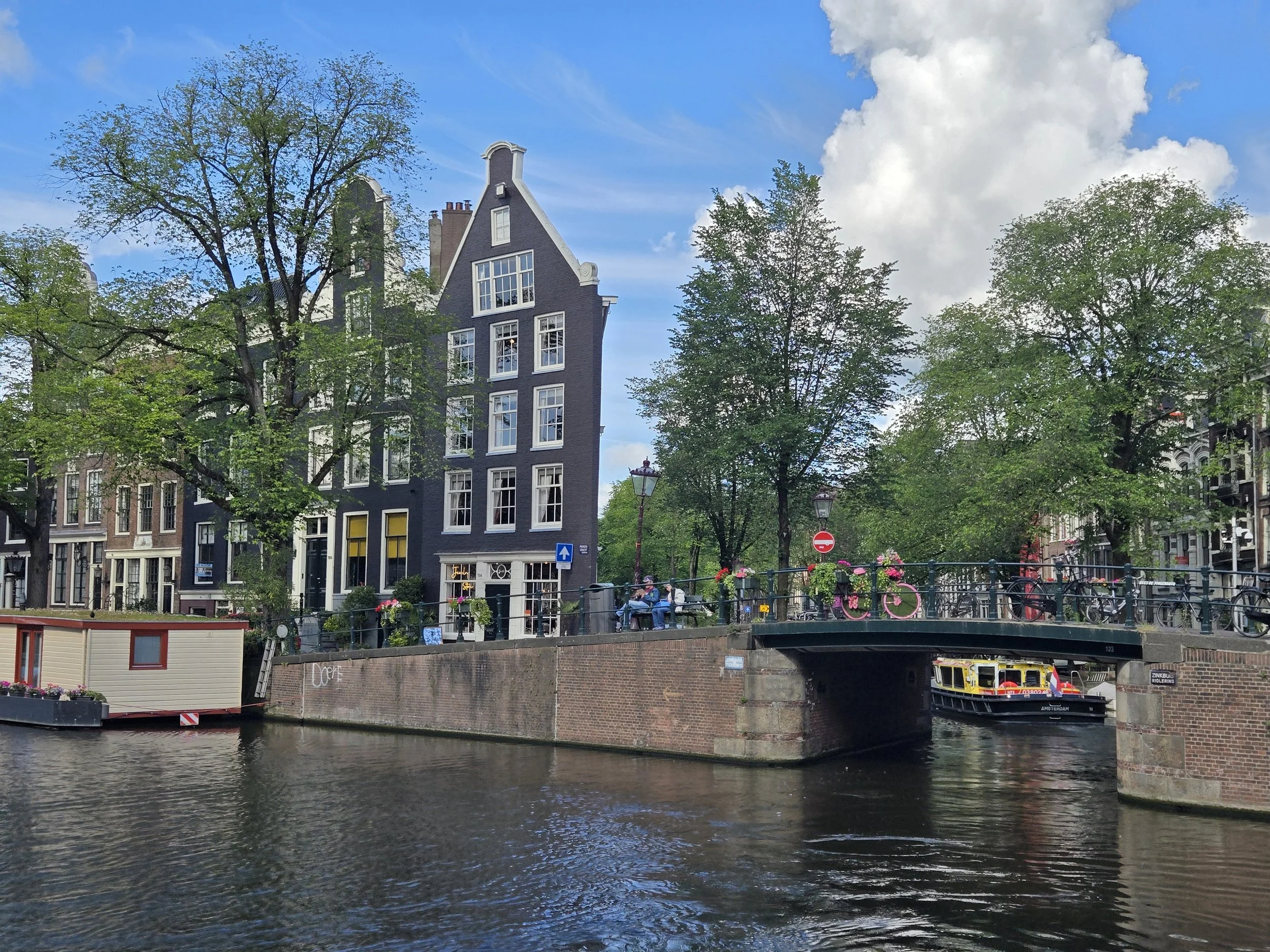
The Netherlands looks like an unlikely place to become rich.
It is small, densely populated and has relatively few natural resources. Much of its land had to be drained, protected and constantly managed just to remain usable.
And yet this small country became one of the great trading powers of early modern Europe and remains one of Europe's most prosperous economies today.
How did that happen?
Part of the answer lies in a pattern that appears again and again in Dutch history:
turning limitations into advantages.
Geography Was a Problem — and an Opportunity
Look at a map of Europe and the position of the Netherlands immediately makes sense.
The country sits where several major European rivers, including the Rhine and Meuse, reach the North Sea.
Those rivers connect the coast with a huge part of inland Europe.
For centuries, this gave Dutch towns access to something extremely valuable: trade routes.
Goods arriving by sea could travel farther into Europe. Goods produced inland could move through Dutch ports towards international markets.
The Dutch did not need to produce everything themselves.
They could make money by moving, storing, processing and selling what other people produced.
This became one of the foundations of Dutch prosperity.
But geography created problems too.
Much of the land was wet, marshy and vulnerable to flooding.
Living here required constant work. Dikes had to be maintained, water had to be managed and land had to be drained.
And water does not respect property lines.
If one community failed to maintain a dike, its neighbours could suffer too. Managing water therefore required organisation and cooperation between people with different interests.
Over centuries, the Dutch became remarkably good at managing both water and cooperation.
Both would matter for the country's future.
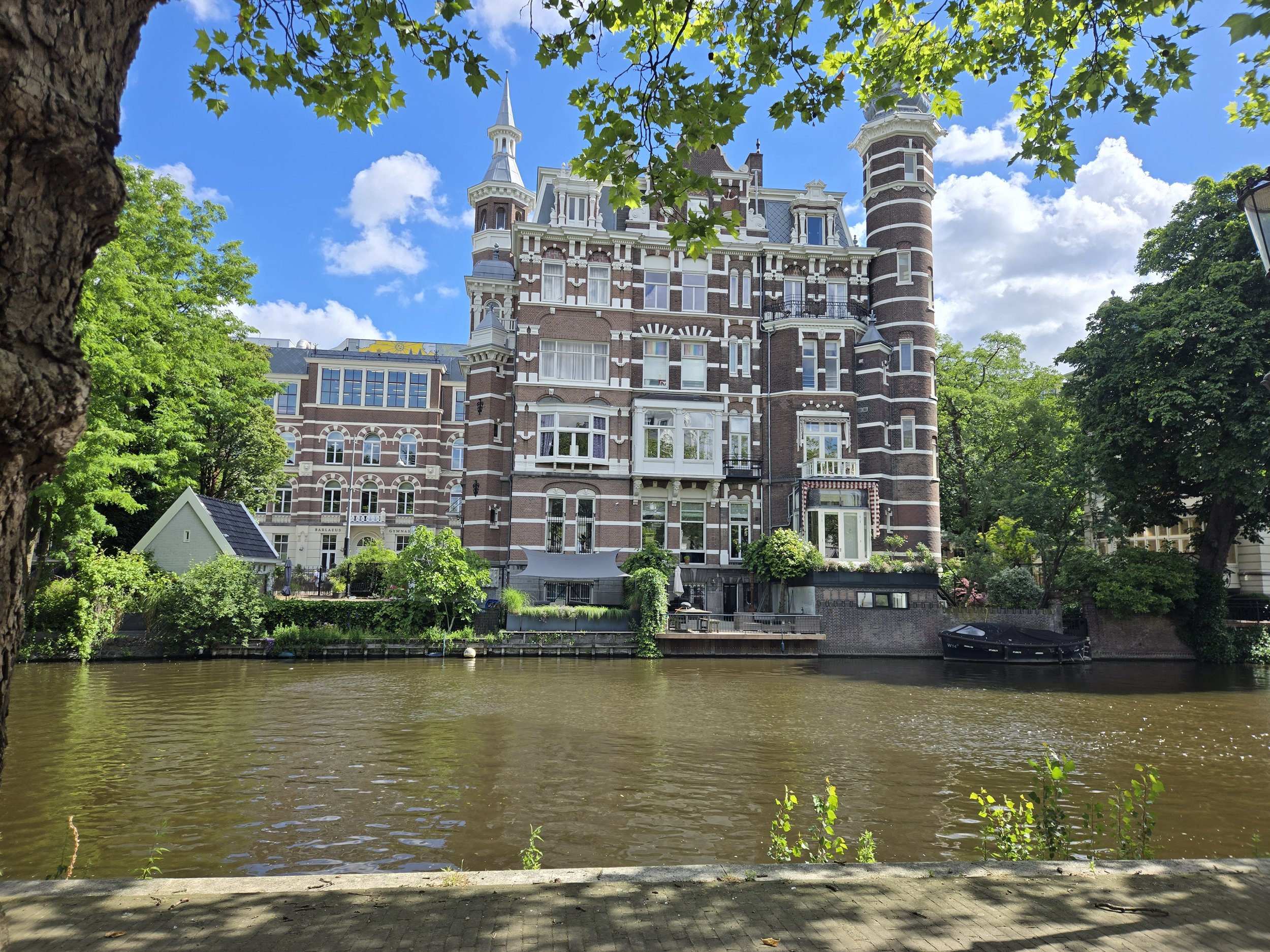
Trade Became a Dutch Speciality
Dutch towns were already deeply involved in European trade during the late Middle Ages.
Amsterdam, in particular, developed important connections with the Baltic region, importing grain, timber and other goods.
Then, in the late 16th century, the city received another enormous boost.
In 1585, during the Dutch Revolt, Antwerp fell to Spanish forces.
At the time, Antwerp was one of Europe's great commercial centres. In the years surrounding its fall, many merchants, craftspeople and other skilled inhabitants moved north.
Amsterdam was one of the cities that benefited.
The newcomers brought capital, skills, knowledge and international business connections.
They did not create Amsterdam's commercial success from nothing — the city was already an important trading centre — but they helped accelerate its extraordinary growth.
Amsterdam's population expanded rapidly.
Ships arrived from the Baltic, southern Europe and eventually from much farther away.
Dutch merchants became especially successful at something that sounds surprisingly simple:
buying goods in one place and selling them somewhere else.
Grain from the Baltic fed growing cities. Timber helped build ships and houses. Salt, wine, textiles and countless other products passed through Dutch hands.
Trade was becoming more than one industry among many.
It was becoming a system.
A Better Ship Made Trade Cheaper
Success in trade depends not only on what you sell.
It also depends on how cheaply you can move it.
Around the end of the 16th century, Dutch shipbuilders developed the fluyt, a cargo ship designed to transport large amounts of goods economically.
It was not built to look impressive.
It was built to make trade efficient.
A fluyt could carry a large cargo with a relatively small crew, helping Dutch merchants keep transport costs low.
That mattered enormously.
If you could move the same goods more cheaply than your competitors, you could offer better prices and still make money.
Dutch commercial success was not simply about adventurous sailors travelling around the world.
It was also about something much less romantic:
efficiency.
And that theme appears again and again in Dutch economic history.
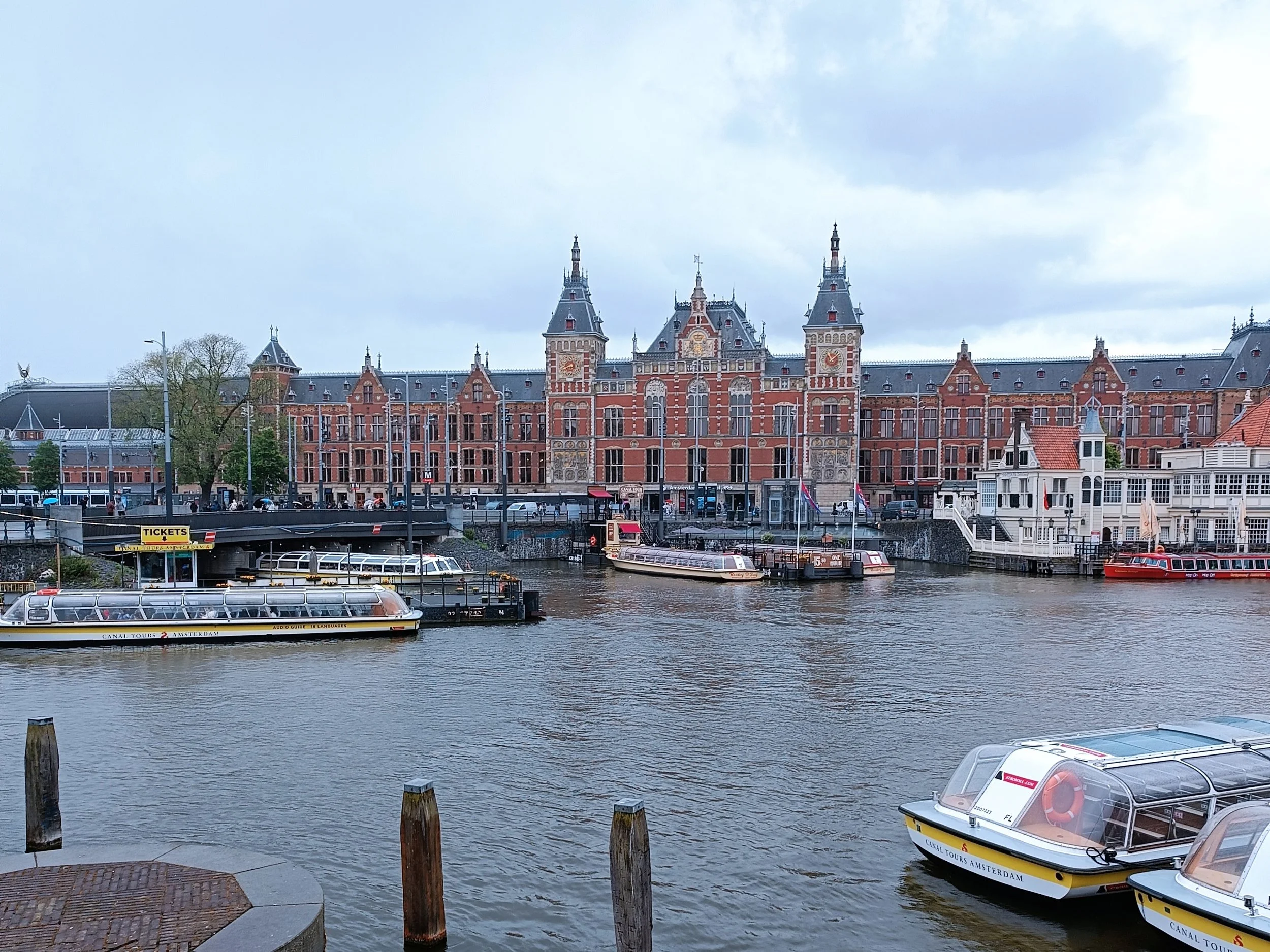
Amsterdam Created New Ways to Do Business
Long-distance trade created another problem.
It was expensive and risky.
A ship could sink. It could be captured. A voyage could take years.
If one merchant financed an entire expedition, one disaster could mean an enormous loss.
One response was to share the risk.
In 1602, several existing Dutch trading companies were brought together to create the Dutch East India Company — the VOC.
Instead of raising money for only one voyage at a time, the VOC had permanent capital. Investors could buy shares in the company and participate in its long-term fortunes.
Those shares could also be traded.
It was an important development in the history of modern finance.
But the VOC was much more than a normal company.
The Dutch government gave it extraordinary powers overseas, including the right to make treaties, build forts and wage war.
Commerce and political power became closely connected.
Amsterdam also developed institutions that made increasingly complex international trade easier.
The Amsterdam Exchange Bank, founded in 1609, helped merchants make reliable payments in a world filled with coins of different weights and quality.
The city's exchange brought merchants and investors together.
Amsterdam became a place where goods, money and information could meet.
That combination was extraordinarily powerful.
The Golden Age Changed Everyday Life
By the 17th century, the Dutch Republic had become one of Europe's great commercial powers.
Amsterdam's harbour was crowded with ships.
Merchants built the canal houses that still define the city today.
Money flowed into shipbuilding, warehouses, finance, construction, science and art.
And prosperity was changing everyday life.
A large urban population of merchants, professionals and skilled workers created demand for goods that earlier generations could rarely afford.
Paintings are one famous example.
In many parts of Europe, churches and royal courts were major patrons of art. In the Dutch Republic, artists also found a large private market.
People bought portraits, landscapes, still lifes and scenes of everyday life to hang in their homes.
That helped create the extraordinary art market in which Rembrandt, Vermeer, Frans Hals and thousands of other Dutch artists worked.
Economic change was not just making some merchants rich.
It was changing what people bought, how they lived and even what artists painted.
But there is another part of this prosperity that should not be romanticised.
Dutch Wealth Had a Dark Side
The Dutch Golden Age was not built only on clever ships, financial innovation and entrepreneurship.
Dutch companies and the Dutch state were also involved in colonial conquest, violence, exploitation and slavery.
The VOC used military force to establish and protect Dutch commercial power in Asia.
The Dutch West India Company, or WIC, became involved in Atlantic colonisation and the transatlantic slave trade.
Dutch merchants and investors profited from colonial commodities and from economic networks connected to enslaved labour.
Exactly how much colonial activities and slavery contributed to the entire Dutch economy is a complex historical question.
It would be misleading to explain all Dutch prosperity through colonialism alone.
But it would be equally misleading to tell the story of Dutch wealth without it.
The global trading system that created extraordinary opportunities for some people came at a devastating cost to others.
That, too, is part of the story behind the wealth visible in Dutch cities today.
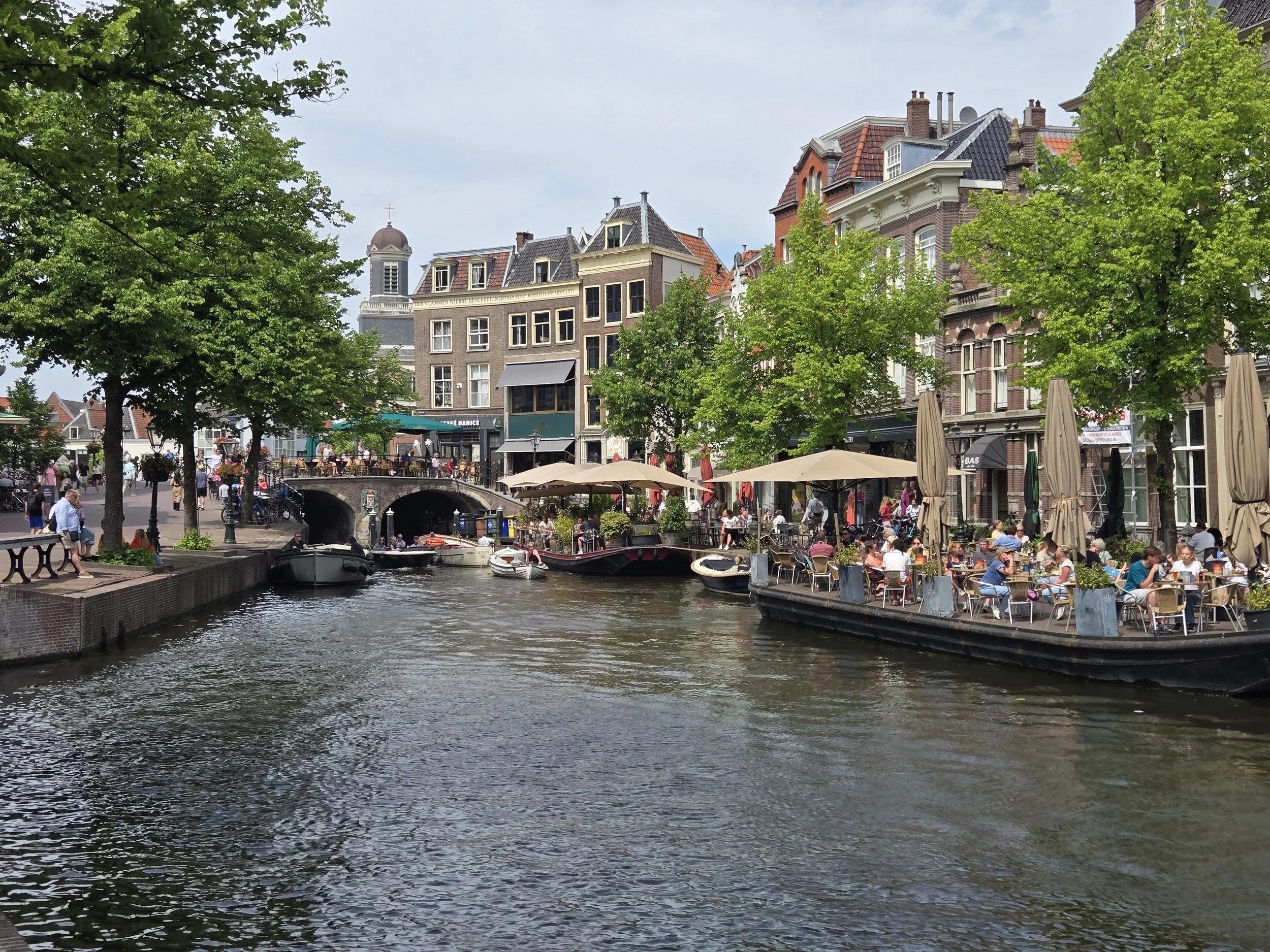
Why Didn't the Wealth Simply Disappear?
The Dutch Golden Age did not last forever.
During the 18th century, the Dutch Republic lost some of its economic and political dominance. Britain became increasingly powerful in global trade and later led the Industrial Revolution.
The Netherlands went through wars, political upheaval and periods of economic stagnation.
Yet many of the foundations of its economy remained useful.
Its geographic position did not change.
Its experience in international trade and finance did not disappear.
And during the 19th and 20th centuries, new infrastructure and industries connected the country to a rapidly changing European economy.
Railways, roads and waterways linked Dutch cities with neighbouring countries.
Rotterdam developed into an enormous international port.
After the Second World War, the Dutch economy modernised rapidly and became increasingly integrated with European and global markets.
The old trading country adapted again.
A Small Country Connected to a Huge Market
Today, one of the Netherlands' greatest economic advantages is still the same one it had centuries ago:
location.
Rotterdam is the largest port in Europe.
From there, goods can move by river, road and rail towards Germany, Belgium and far beyond.
Schiphol connects the country to destinations around the world.
And as part of the European Union and its single market, Dutch businesses have access to an economy far larger than the Netherlands itself.
That matters enormously for a country with a relatively small domestic population.
Modern Dutch companies specialise in areas where knowledge, efficiency and international connections matter: logistics, high-tech industries, chemicals, food production, agriculture and business services, among others.
The ships and warehouses have changed.
The basic idea has not.
Even Dutch Agriculture Tells the Same Story
Agriculture might seem like a strange example of Dutch economic success.
The Netherlands has very little land compared with agricultural giants such as the United States or Brazil.
And yet it is an extraordinarily important exporter of agricultural products.
In 2025, the value of Dutch agricultural exports exceeded €137 billion.
But that number needs some explanation.
Not everything exported from the Netherlands was actually grown or produced here. A substantial part consisted of foreign products that entered the country and were then re-exported.
And that actually makes the example even more interesting.
Dutch agricultural success is not only about farming.
It is also about highly productive agriculture, greenhouse technology, specialised knowledge, food processing, logistics and the country's position at the heart of the European market.
Flowers, vegetables, dairy products and many other goods can move quickly from producers and distribution centres to customers across Europe and beyond.
Again, the same pattern appears:
limited space, high efficiency and strong connections to international markets.
So Why Is the Netherlands So Rich?
There isn't one reason.
Dutch prosperity developed over centuries as several advantages reinforced each other.
Its location connected the North Sea with the European interior.
Trade created wealth and international networks.
Immigration brought skills, knowledge and capital.
Efficient shipping reduced costs.
Financial institutions made increasingly complex international business possible.
Investment in infrastructure strengthened those connections.
And later generations continued adapting these advantages to new technologies and new markets.
Colonial expansion, exploitation and slavery were also part of this history and contributed to wealth accumulated during important periods of Dutch global power.
But perhaps the most interesting pattern is the one we started with:
The Netherlands repeatedly learned to turn limitations into advantages.
Not enough dry land? Manage the water and create more.
A small domestic market? Trade with the world.
Expensive shipping? Make transport more efficient.
Limited agricultural land? Produce more value from each hectare and build a business around knowledge and logistics.
A small country?
Connect it to a much bigger market.
Look at the Netherlands Differently
Once you know this story, many things you see in the Netherlands begin to connect.
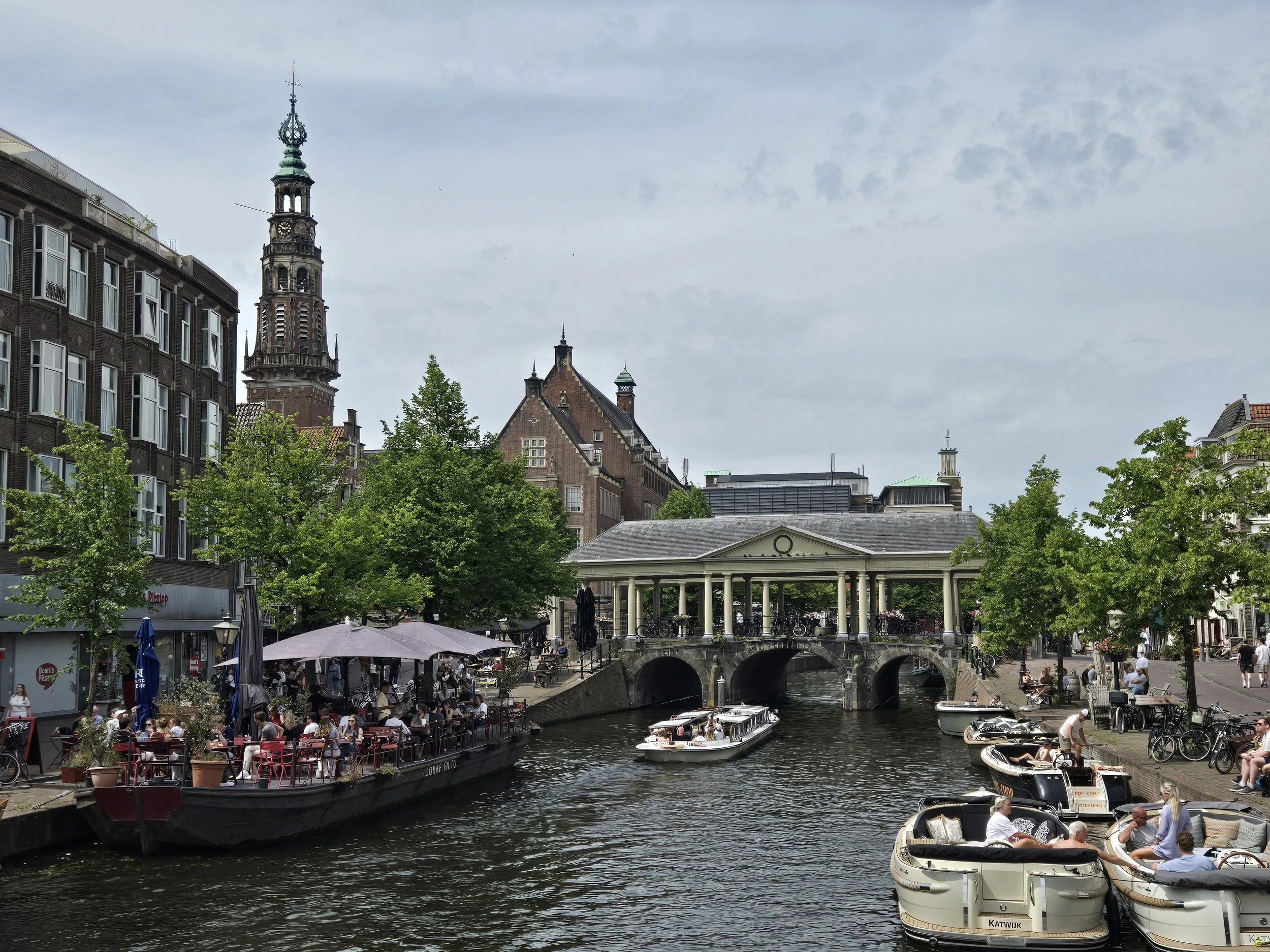
The canals of Amsterdam were not built simply to look beautiful.
The grand canal houses were not just elegant homes.
The warehouses, ports, old exchanges and merchant houses were parts of an enormous commercial network.
And today's container terminals, railway connections, greenhouses and distribution centres belong to a much longer story.
The Netherlands became wealthy not because it was blessed with everything it needed.
In many ways, the opposite was true.
It had limited land, difficult geography and a small population.
What it developed instead were systems for moving goods, managing resources, sharing risks, connecting markets and making limited space work harder.
The old ships have become container vessels. The merchant exchanges have become modern financial markets. The trading networks now stretch across an integrated European economy.
But the pattern is surprisingly familiar.
And once you start looking at the Netherlands through that lens, the wealth around you begins to tell a much bigger story.