You can spend a week in the Netherlands and admire hundreds of beautiful buildings.
You'll walk along canals.
Visit museums.
See merchant houses, churches and windmills.
But without understanding one idea, you'll miss the story that connects almost everything around you.
The canals.
The warehouses.
Rembrandt's paintings.
Leiden University.
The world's first stock exchange.
Even the narrow houses leaning over Amsterdam's canals.
They all lead back to one remarkable period.
The Dutch Golden Age.
But despite its name, it wasn't simply a time when the Dutch became rich.
It was the moment a small republic changed the way the world traded, invested, created art, shared knowledge and thought about society.
More than four hundred years later, you can still see its influence almost everywhere you go in the Netherlands.
What Is the Dutch Golden Age? A Simple Guide for Curious Travellers
When Was the Dutch Golden Age?
The Dutch Golden Age generally refers to the seventeenth century, particularly the period between 1588 and 1672.
During these decades, the Dutch Republic became one of the richest and most influential countries in Europe.
What makes this remarkable is that it wasn't a large kingdom like France or Spain.
It was a small republic with a population of only around two million people.
Yet it became a global power.
How Did It Begin?
The story begins with a war.
For eighty years, the Dutch provinces fought for independence from Spain.
The war was devastating.
Cities were besieged.
Trade was disrupted.
Thousands of people died.
But independence also gave the Dutch something unusual for seventeenth-century Europe.
Instead of being ruled by a king, the Dutch Republic was governed largely by wealthy merchants and city leaders.
That meant decisions were often driven by commerce, innovation and practical solutions rather than royal ambition.
This created an environment where business, education and new ideas could flourish.
Why Did the Dutch Become So Successful?
There was no single reason.
The Dutch Golden Age happened because several extraordinary developments came together at the same time.
Trade Changed the Scale of the World
Amsterdam became one of the busiest ports on Earth.
Ships arrived with grain from the Baltic, spices from Asia, sugar from the Caribbean and luxury goods from around the world.
The Dutch didn't simply participate in global trade.
They helped organise it.
For the first time, goods moved through a truly international trading network on an enormous scale.
Trade transformed a small republic into one of the richest societies in Europe.
Innovation Changed How Business Worked
The Dutch were exceptional innovators.
Not because they invented everything, but because they constantly improved existing ideas.
Shipbuilders developed the fluyt, a cargo ship that could carry more goods with fewer sailors than most European vessels.
Windmills powered sawmills that produced ships faster than anywhere else.
Engineers reclaimed land from the sea.
Cartographers created some of the world's most accurate maps.
Innovation made Dutch trade faster, cheaper and more efficient.
Finance Changed the Economy
In 1602, the Dutch East India Company (VOC) became the world's first multinational corporation.
To finance its voyages, investors could buy shares in the company.
Soon those shares were being bought and sold in Amsterdam.
For the first time in history, people could invest in a global business without ever sailing themselves.
Modern investing began here.
Knowledge Changed Society
The Dutch Golden Age wasn't only about money.
It was also an explosion of knowledge.
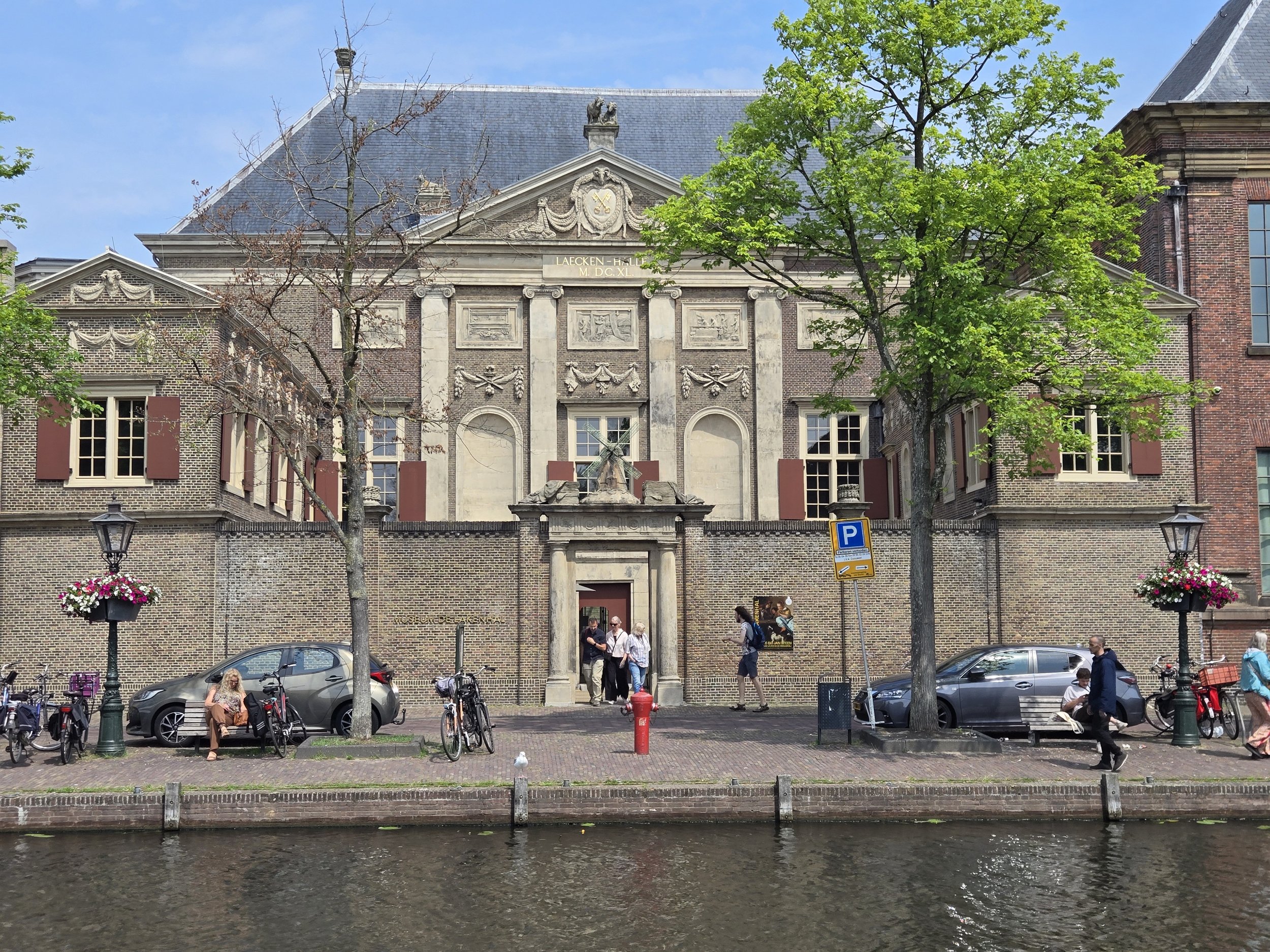
Leiden University became one of Europe's leading centres of learning.
Students travelled from across the continent to study medicine, law, philosophy and science.
Leiden also became one of Europe's most important printing centres.
Books banned elsewhere were often published here instead.
Ideas crossed borders long before people could.
Knowledge became one of the Dutch Republic's greatest strengths.
Art Changed What People Wanted to See
This was the age of Rembrandt, Vermeer and Frans Hals.
But what changed wasn't only the quality of the paintings.
It was who they were painted for.
Across much of Europe, artists depended on kings or the Catholic Church.
In the Dutch Republic, wealthy merchants and ordinary citizens also became patrons.
Instead of painting only saints and rulers, artists painted families, kitchens, city streets, landscapes and everyday life.
For the first time, ordinary people became worthy subjects of great art.
That changed European painting forever.
Was It Really a "Golden" Age?
The answer depends on whose story you tell.
For many people living in the Dutch Republic, life improved dramatically.
Cities became richer.
Education expanded.
Science flourished.
Art reached extraordinary heights.
But this prosperity also depended on colonial expansion, slavery and exploitation overseas.
Today, museums and historians increasingly tell both sides of the story.
Understanding the Dutch Golden Age means recognising both its remarkable achievements and its human cost.
Why Does It Still Matter Today?
The Dutch Golden Age didn't end in the seventeenth century.
Its legacy is still visible everywhere.
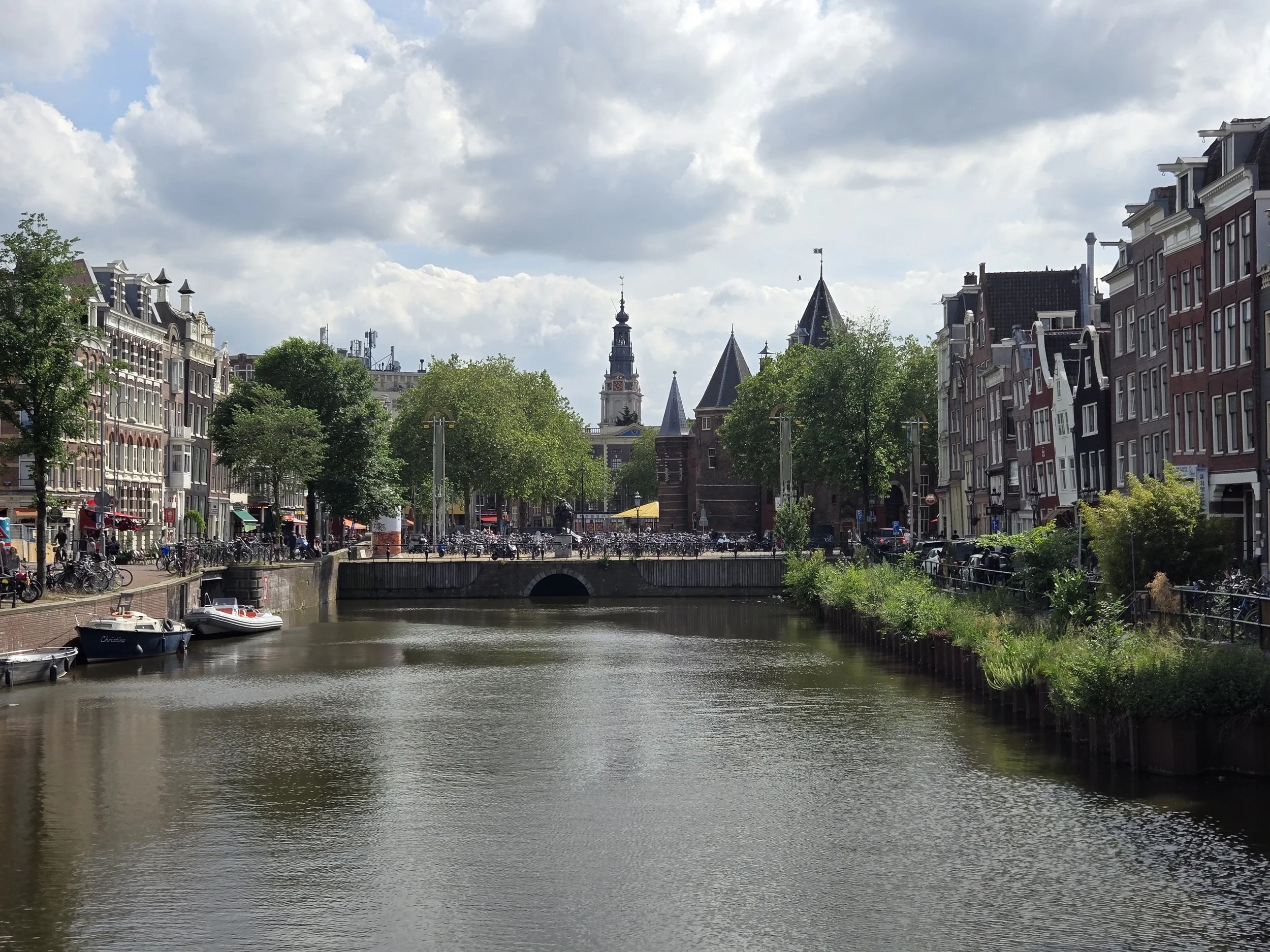
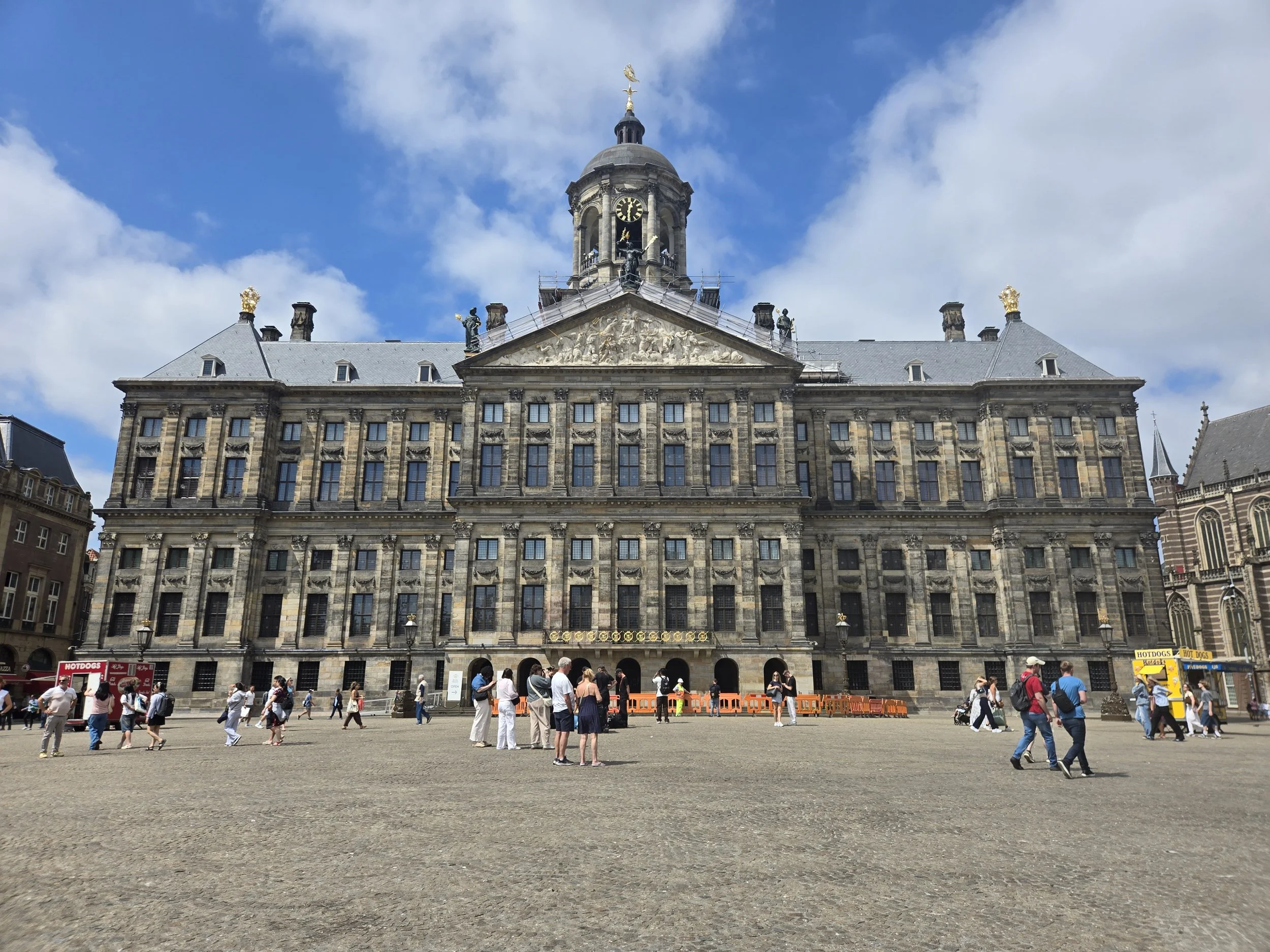
Amsterdam's canals.
The elegant merchant houses.
Leiden University.
Historic warehouses.
World-famous museums.
Even the international outlook that many people associate with the Netherlands today has its roots in this period.
The Dutch Golden Age wasn't simply an era of wealth.
It transformed the economy.
It transformed science.
It transformed art.
It transformed education.
And it changed the way people exchanged goods, knowledge and ideas across the world.
Why Travellers Should Care
If you're visiting the Netherlands, understanding the Dutch Golden Age changes the way you see the country.
Amsterdam's canals stop being just beautiful waterways.
They become part of a trading system that connected Europe to Asia and the Americas.
Leiden University becomes more than an old university.
It becomes a place where ideas spread across Europe.
A merchant's house is no longer just a pretty façade.
It becomes evidence of a society transformed by global trade.
Once you know the story, Dutch cities begin to make sense.
You stop collecting landmarks.
You start understanding why they exist.
The Best Places to Experience the Dutch Golden Age
If you want to experience this history for yourself, two cities stand out.
Amsterdam
Amsterdam tells the story of commerce.
Here you'll discover how merchants, finance, migration and global trade transformed a small settlement into one of the world's most influential cities.
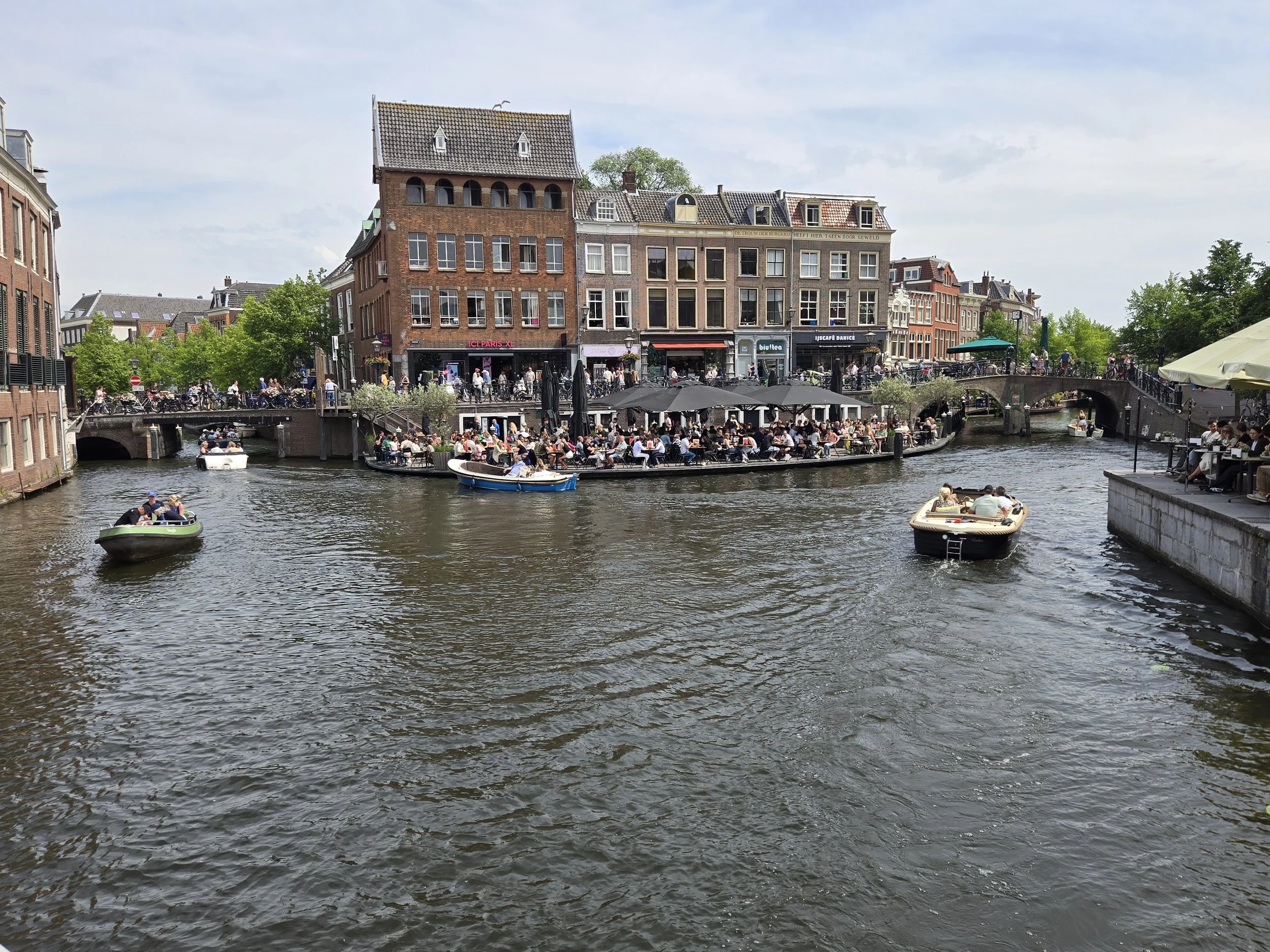
Leiden
Leiden tells the story of ideas.
Its university, printers, scientists and artists helped make it one of Europe's leading intellectual centres.
Together, these cities explain why the Dutch Golden Age became one of the most remarkable periods in European history.
Want to See the Dutch Golden Age Come to Life?
Reading about history is one thing.
Standing where it happened is something else entirely.
That's why I created my walking tours.
In Amsterdam, we explore the merchants, innovations and global trade that built the Dutch Republic.
In Leiden, we discover how war, knowledge and new ideas helped shape one of Europe's most influential societies.
My goal isn't simply to show you historic buildings.
It's to help you understand the people, decisions and ideas that transformed a small country into one of the most influential places in the world.