Why Are There So Many Bicycles in the Netherlands?
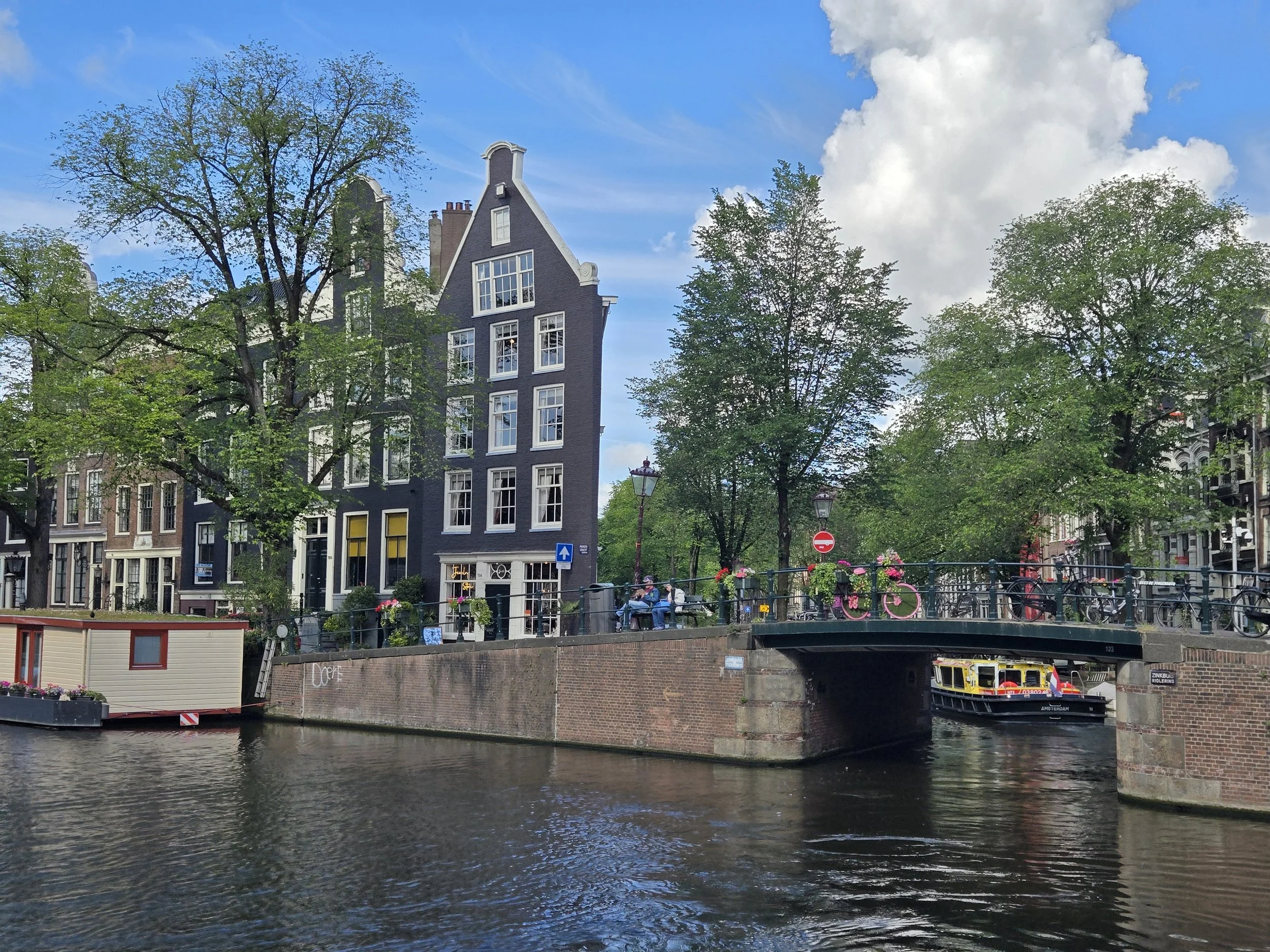
It is hard to imagine Amsterdam without bicycles.
They are everywhere. People cycle to work, to school, to meet friends and to the supermarket. Parents carry children on their bikes. Office workers cycle in their work clothes. And outside train stations, thousands of bicycles seem to merge into one enormous metal landscape.
It is easy to think it has simply always been this way.
But in the 1950s and 1960s, the Netherlands was moving in a very different direction.
Cars were taking over Dutch cities. Cycling was under pressure. And planners were imagining a future built around motor traffic.
So how did the Netherlands become the cycling country we know today?
When Did Cycling Become Popular in the Netherlands?
The bicycle arrived in the Netherlands in the 19th century.
At first, cycling was mainly for people who had enough money and free time to enjoy this new invention. But bicycles gradually became safer, more practical and more affordable.
Ordinary people started using them too.
By the beginning of the 20th century, cycling was already deeply established in Dutch life. The country's flat landscape helped, as did its compact towns and relatively short distances.
In Amsterdam, bicycles were already a major part of city traffic long before today's cycling infrastructure existed.
People cycled because it was simply a practical way to get around.
Then came the car.
When Cars Started Taking Over Dutch Cities
After the Second World War, the Netherlands became more prosperous.
Car ownership grew rapidly. In 1960, there were fewer than half a million passenger cars in the Netherlands. By 1970, there were more than two million.
The car represented progress, freedom and a modern future.
Cities began adapting.
More space was needed for moving cars and for parking them. Roads were widened, and planners imagined cities where homes and workplaces would be connected by large urban roads.
Cycling began to lose ground.
In Amsterdam, policymakers in the 1950s and 1960s increasingly treated the bicycle as something that would eventually disappear.
The future, they thought, belonged to the car.
And Amsterdam could have become a very different city.
Amsterdam Almost Chose a Different Future
One of the clearest examples can still be seen near the Nieuwmarkt today.
Plans for Amsterdam's new metro system involved demolishing buildings through the old neighbourhood. Above part of the metro route, the city also planned a four-lane road running towards Central Station.
Parts of the area were demolished.
But residents, activists and heritage campaigners fought back.
The proposed four-lane road was eventually rejected. In one crucial city council vote, the difference was just one vote: 22 against, 21 in favour.
Today, you can still see the result.
Jodenbreestraat had already been widened. Sint Antoniesbreestraat, just beyond it, kept much more of its old scale.
It is a small physical reminder of a much bigger question Amsterdam was asking at the time:
What kind of city did it want to become?
The Human Cost of the Car Boom
There was another, much more serious reason attitudes were changing.
Roads had become dangerous.
In 1972, 3,264 people were killed in traffic accidents in the Netherlands — the highest number ever recorded in the country.
Cyclists and pedestrians were among the vulnerable road users, and the safety of children became an especially emotional issue.
One of the best-known protest movements of the 1970s was called Stop de Kindermoord — “Stop the Child Murder.”
Its message was deliberately shocking.
The movement demanded safer streets and challenged the idea that deaths caused by rapidly growing motor traffic were simply the unavoidable price of modern life.
In Amsterdam, the campaign found considerable support.
But there was no single moment when the Netherlands suddenly “chose the bicycle.”
Public protest, concerns about road safety, changing ideas about urban planning and political decisions all played a part.
The 1973 oil crisis also made questions about car dependence more visible.
Slowly, the direction began to change.
The Netherlands Didn't Just Encourage Cycling. It Built for It.
This is perhaps the most important part of the story.
Dutch cycling culture exists not simply because Dutch people like bicycles.
Over decades, towns and cities created conditions in which cycling became an easy way to travel.
Separated cycle paths, safer intersections, traffic-calmed streets, bicycle parking and connected cycling routes gradually became part of everyday urban infrastructure.
The difference becomes obvious when you watch a Dutch child cycle to school.
A journey like that may involve residential streets, several intersections and busy roads. Yet much of the route can be designed so that the child does not have to compete directly with fast-moving cars.
That feels ordinary in the Netherlands today.
But it is the result of thousands of decisions about how streets should work.
Cycling also became closely connected with public transport.
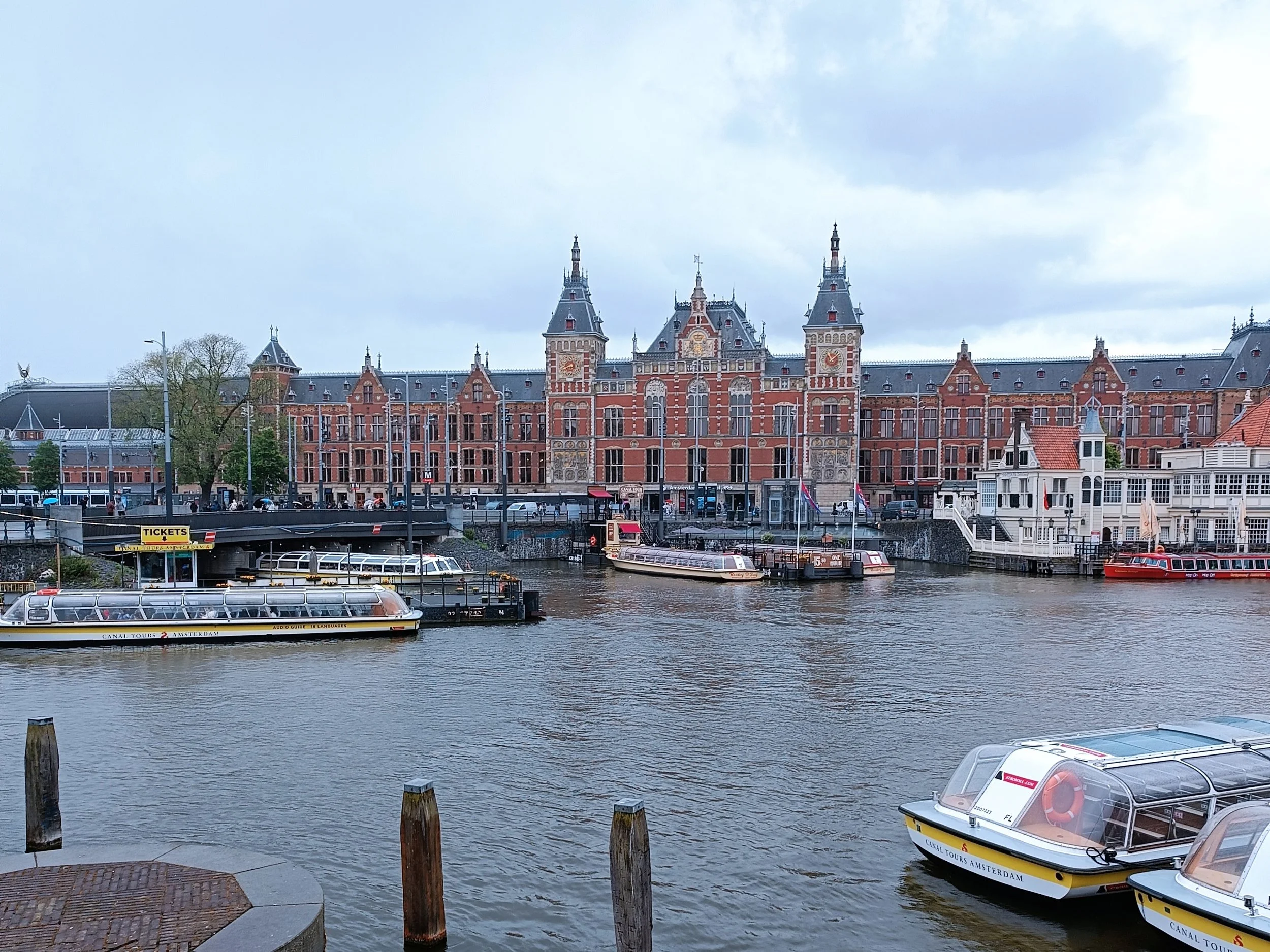
Look outside almost any Dutch railway station and you will understand immediately.
For many people, the choice isn't bike or train.
It is bike and train.
Why Do Dutch People Cycle So Much?
Geography certainly helps.
The Netherlands is famously flat. Cities are relatively compact, and many everyday journeys are short enough to make by bicycle.
But flatness alone doesn't explain Dutch cycling culture.
The bigger reason is simple: cycling is convenient.
For many everyday journeys, you can leave your front door, get on your bicycle and arrive exactly where you need to be.
You don't need special clothes.
You don't necessarily think of it as exercise.
You don't even have to think of yourself as a “cyclist.”
You are simply going somewhere.
That is why the people you see cycling through Dutch cities can be schoolchildren, grandparents, students, parents carrying two children, or someone heading to a business meeting.
Here, the bicycle is often less like sporting equipment and more like a pair of shoes.
It is simply part of everyday life.
What Bicycles Tell Us About the Netherlands
Look beyond the bicycles themselves and they reveal something bigger about the country.
The Netherlands is small and densely populated. For centuries, the Dutch have had to think carefully about how land and space are used.
You can see that in the polders.
You can see it in narrow canal houses.
And you can see it in the streets.
A bicycle takes relatively little space. It needs less parking than a car, creates less noise and works particularly well in compact cities.
So Dutch cycling culture isn't only a charming national habit.
It is also one answer to a very Dutch problem:
How do millions of people share a limited amount of space?
Look at the City Differently
The next time you walk through Amsterdam — or almost any Dutch city — don't just notice how many bicycles there are.
Look at the city around them.
Notice where the cycle path goes when it reaches a busy intersection.
Look at the enormous bicycle parking facilities beside railway stations.
Watch children cycling to school and parents carrying groceries or children on their bikes.
And look at streets like Sint Antoniesbreestraat, where decisions made decades ago are still visible in the shape of the city.
Much of this now feels completely normal.
But it wasn't inevitable.
The Netherlands did not become a cycling country simply because it is flat or because Dutch people somehow have bicycles in their DNA.
Cycling was already deeply rooted here. Then the rise of the car threatened its place in Dutch cities. What followed was decades of protest, planning, experimentation and political choices that helped make cycling practical again.
And that is perhaps the most interesting part of the story.
The bicycles are what you notice first. The city built around them tells the bigger story.
Want to see Amsterdam differently?
Amsterdam is full of details that make much more sense once you know the stories behind them.
Join a small-group walk and discover how trade, migration, ambitious ideas and unexpected decisions shaped the city we see today.