Planning a Trip to Amsterdam? Here's What I Wish More Visitors Knew
Amsterdam is one of Europe's most popular destinations. Every year millions of people come to see the canals, museums and historic streets.
But many visitors arrive without knowing what to expect.
How busy is Amsterdam really?
How many days do you need?
Where should you stay?
And do you actually need to rent a bicycle?
Here are a few things I wish more visitors knew before coming to Amsterdam.
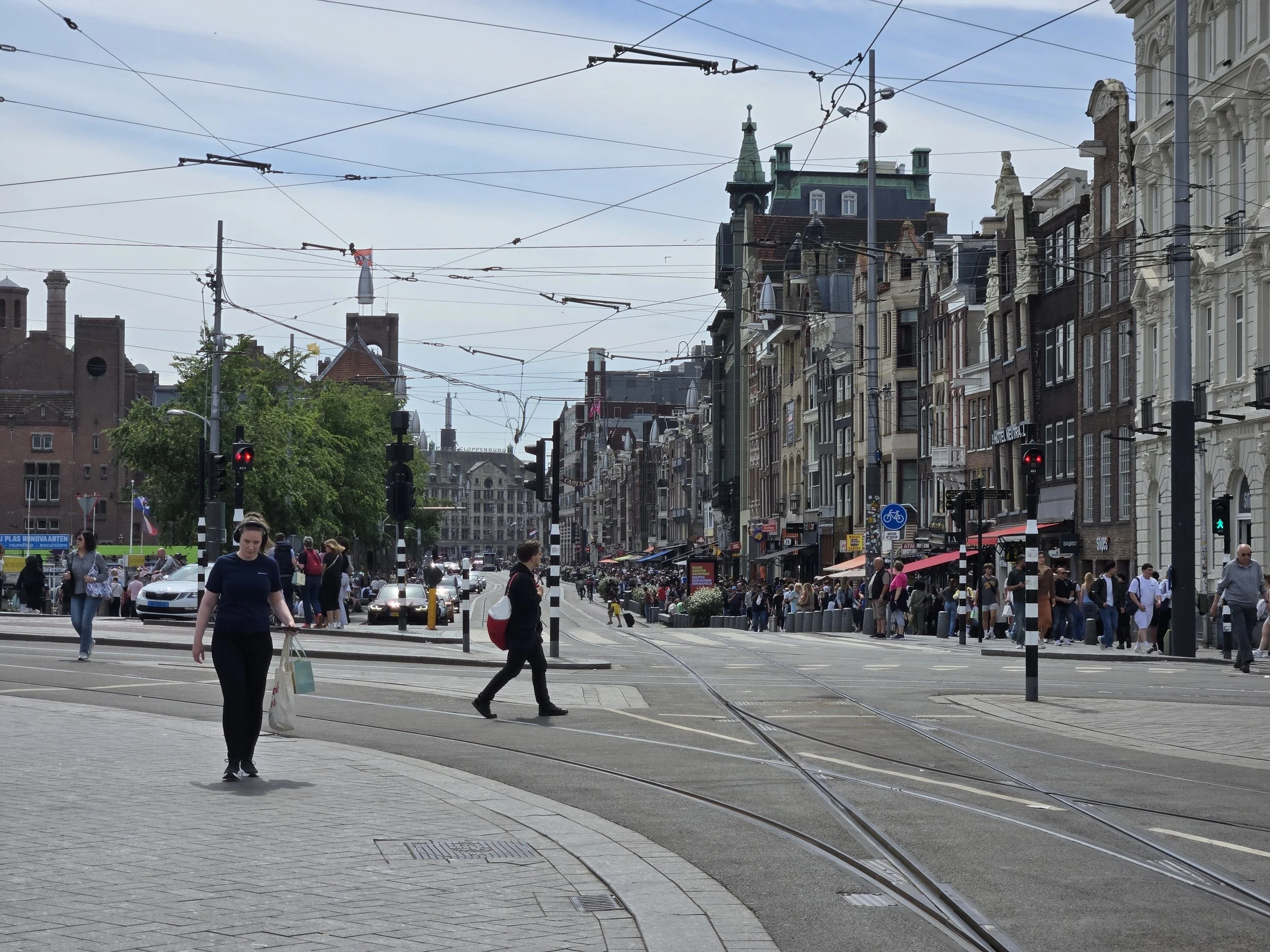
When Is the Best Time to Visit Amsterdam?
If you want warm weather and long days, visit between May and September.
If you want fewer crowds, consider September or October. In my experience, these are some of the best months to visit. The weather is often still pleasant, museums are less crowded and hotel prices can be lower than in summer.
April is beautiful because of the tulips and King's Day celebrations, but it is also one of the busiest months of the year.
If you visit in winter, expect shorter days, rain and wind. On the other hand, the city feels calmer and more local.
What Should You Wear?
The most common mistake visitors make is dressing for the temperature instead of the weather.
A day that starts sunny can become windy and rainy a few hours later.
My recommendation is simple:
comfortable walking shoes
a waterproof jacket
layers that you can easily add or remove
An umbrella can be useful, but strong wind often makes it less practical than a good rain jacket.
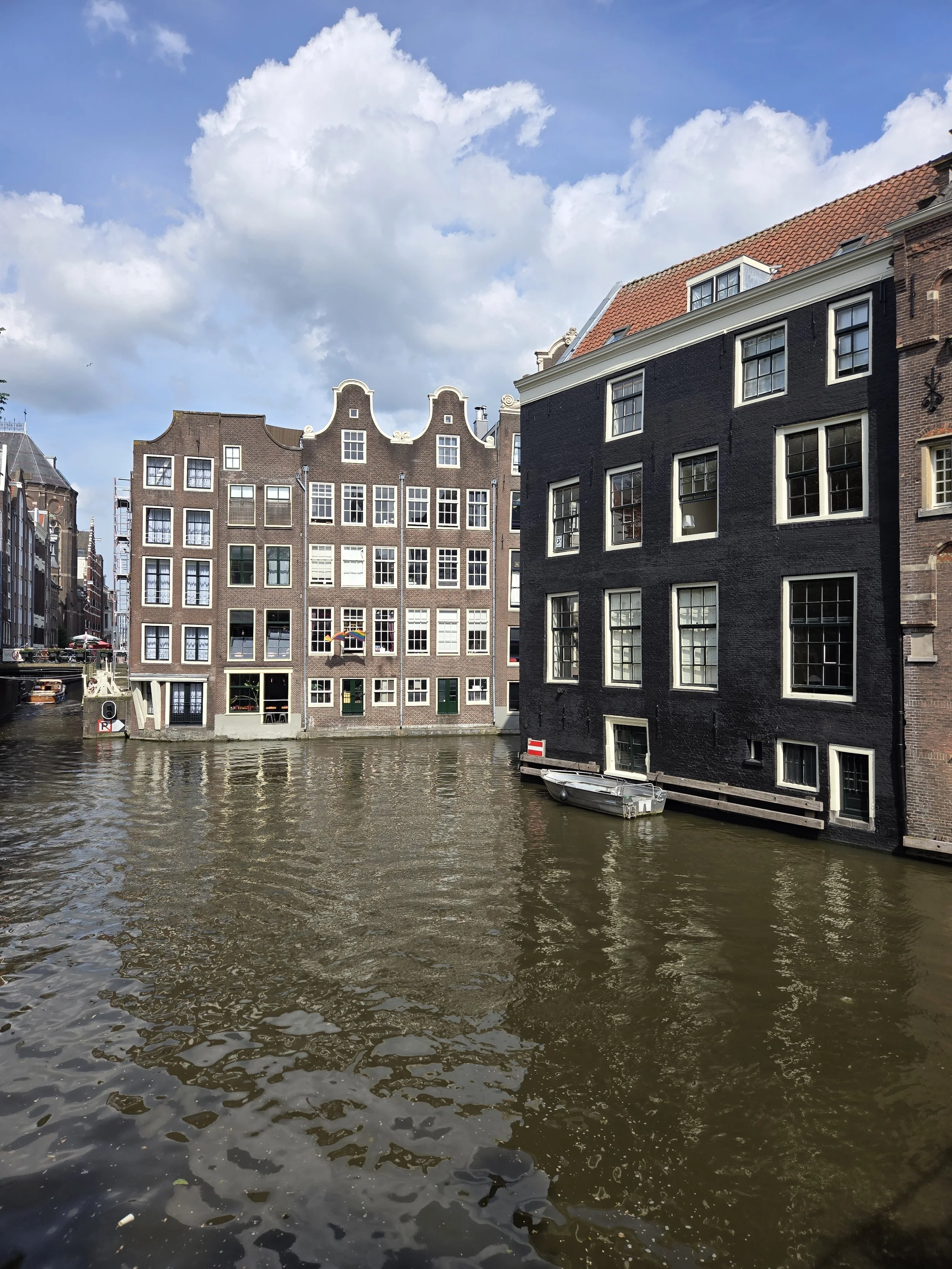
How Many Days Do You Need?
For Amsterdam itself, I usually recommend at least 2–3 days.
That gives you enough time to explore the historic centre, visit a museum or two, take a canal cruise and simply enjoy the atmosphere without rushing.
If you have 4–5 days, consider visiting another Dutch city as well.
Leiden, Haarlem, Utrecht and The Hague are all easy day trips from Amsterdam and offer a very different perspective on the Netherlands.
If you have a week, you can comfortably explore several cities without feeling rushed.
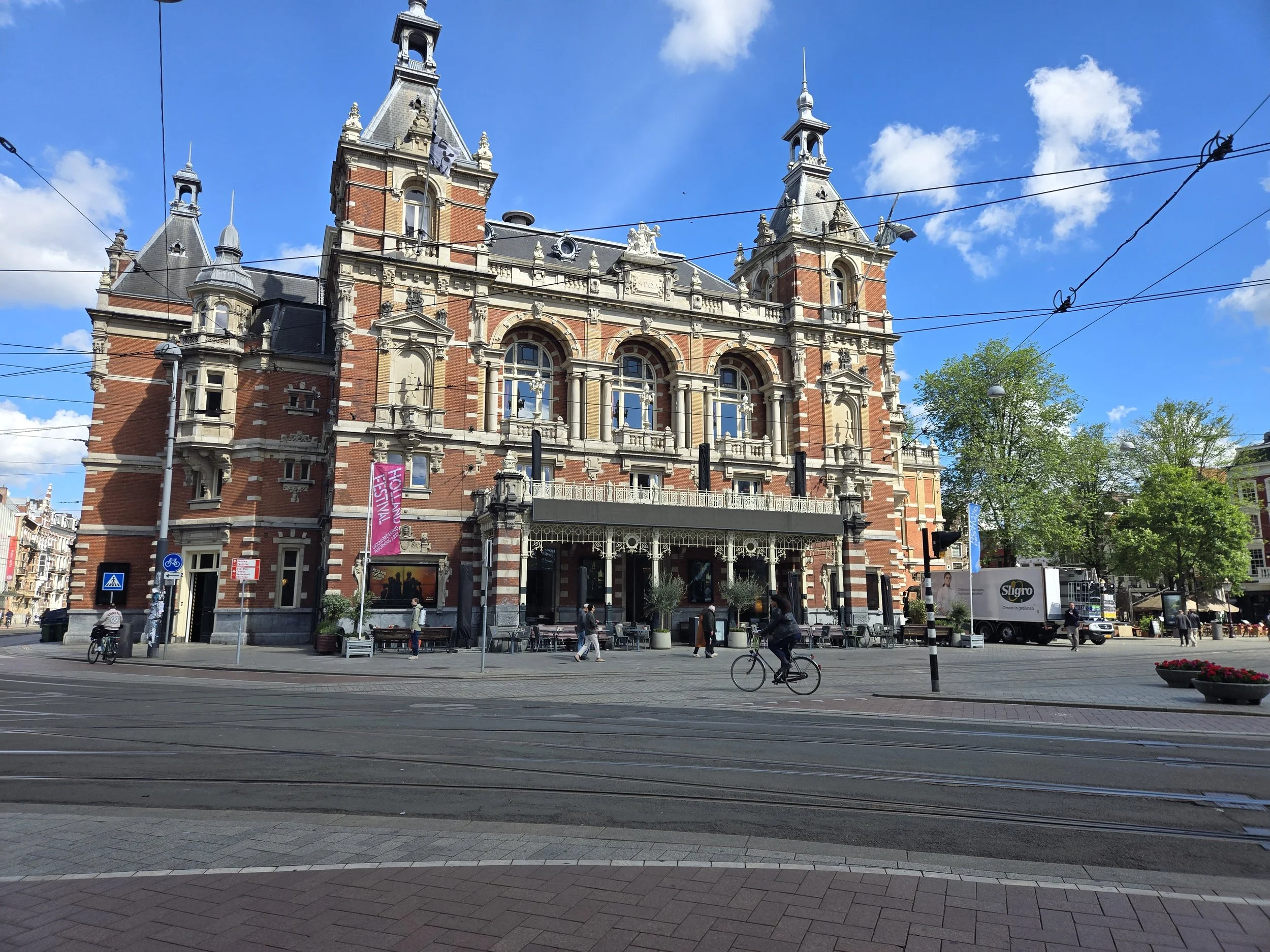
Where Should You Stay?
Many first-time visitors assume they need to stay in the city centre.
In reality, Amsterdam is surprisingly compact.
As long as you stay near a train, metro or tram connection, you can usually reach the historic centre within 15–25 minutes.
Areas outside the centre are often quieter, less crowded and significantly cheaper.
For many visitors, staying just outside the centre is actually the better option.
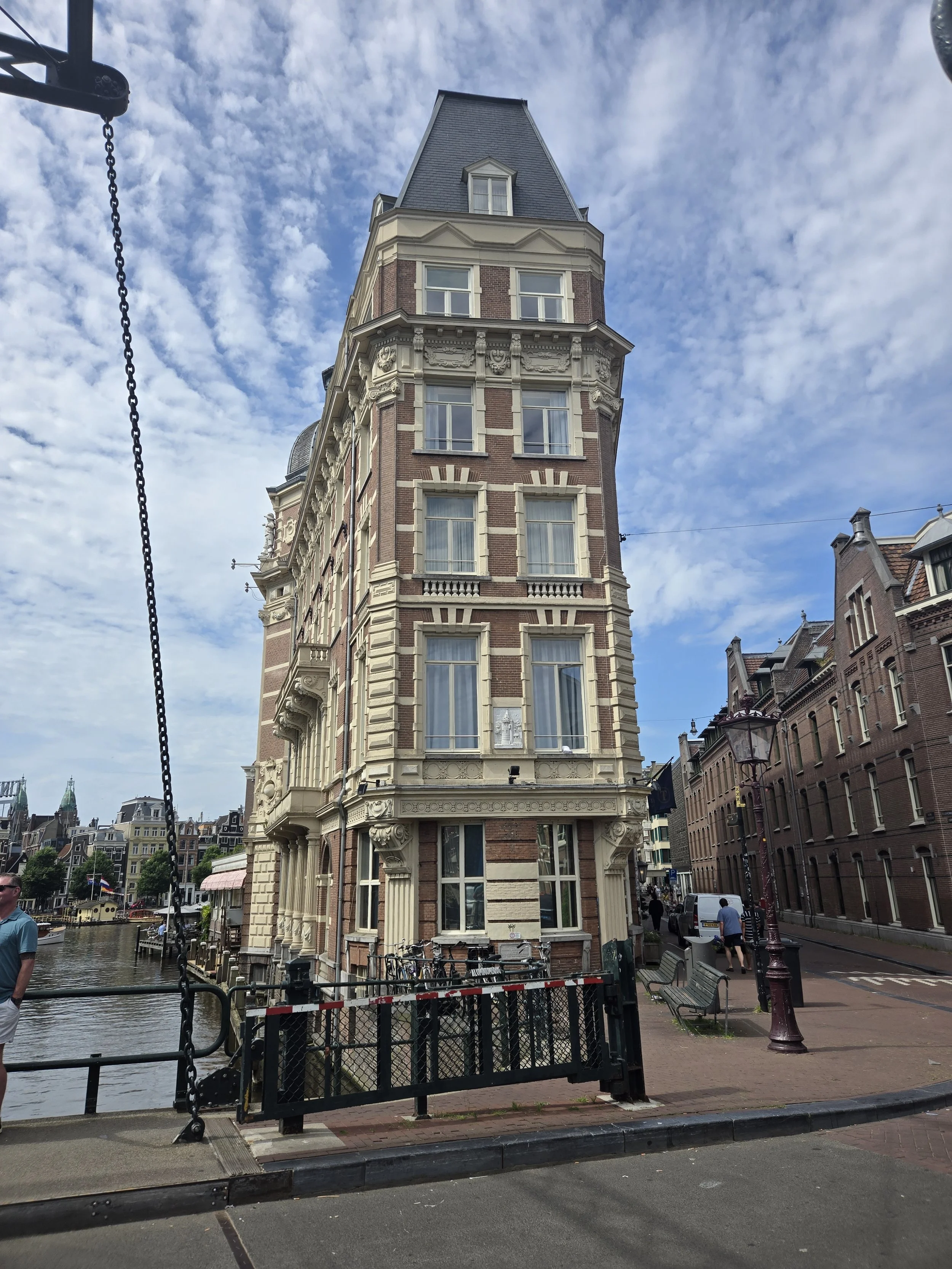
Public Transport Is Easier Than You Think
The Netherlands has one of the easiest public transport systems in Europe.
In most cases you can simply use your bank card, phone or smartwatch to check in and out on trains, trams, buses and metro.
You don't need to buy separate tickets for every journey.
Google Maps works very well for planning routes and is usually accurate.
Should You Rent a Bicycle?
Only if you feel comfortable cycling in busy city traffic.
Amsterdam is famous for bicycles, but many visitors underestimate how fast local cyclists move and how crowded the bike lanes can be.
If you are not an experienced cyclist, walking and public transport are often a more enjoyable way to explore the city.
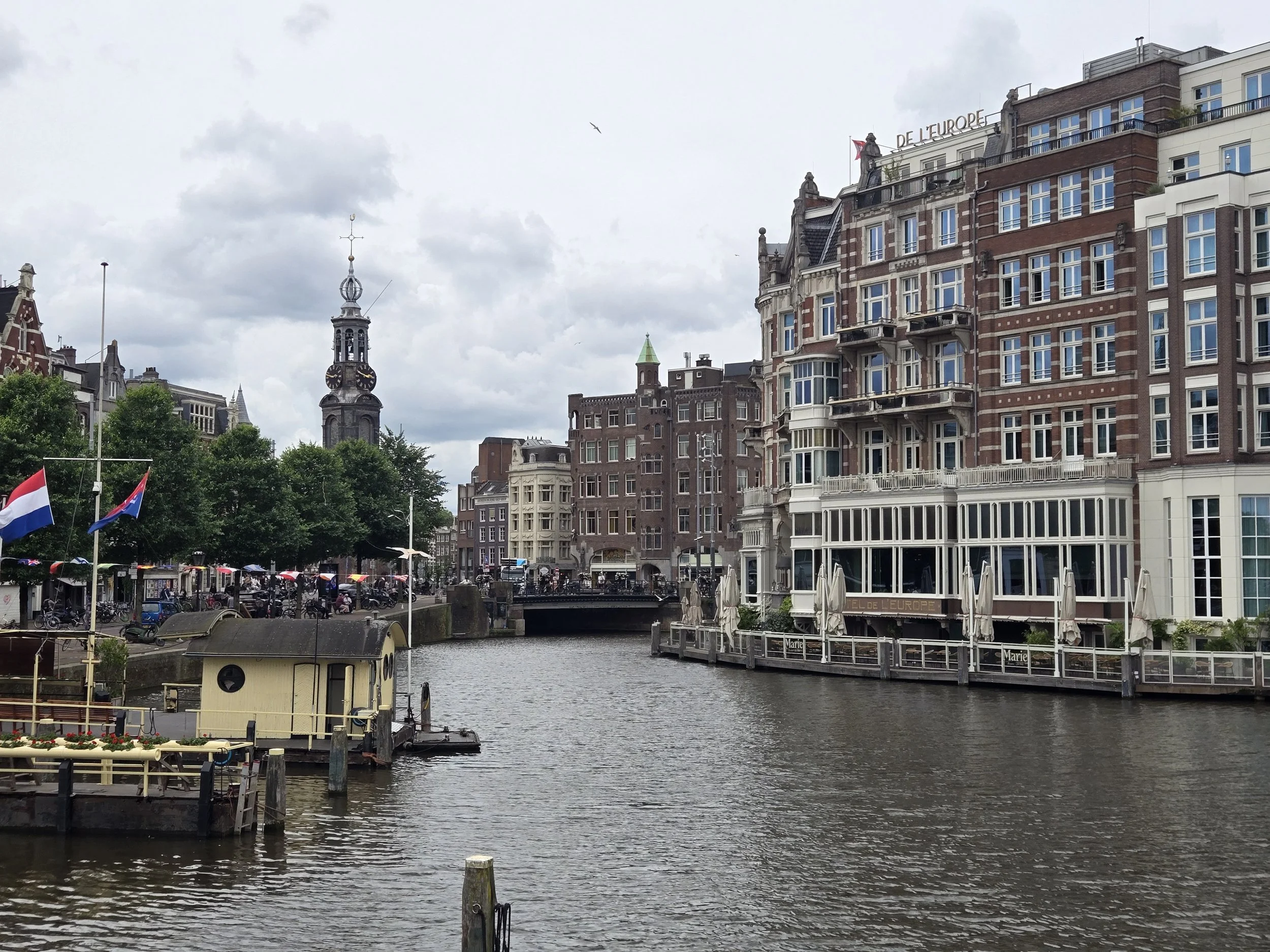
One Piece of Advice I Give Almost Every Visitor
If you're visiting Amsterdam for the first time, don't start with a checklist of attractions.
Start by understanding the city.
Amsterdam makes much more sense when you understand how it grew, why it became wealthy and how it helped shape the Netherlands.
The same is true for Leiden, one of the most important cities in Dutch history.
Whether you are staying for a day or a week, a good walking tour can help you see the city differently and make better decisions about what to explore next.
That's exactly why I created my walks — to help visitors understand the Netherlands, not just visit it.