Amsterdam and Leiden: Two Cities, One Story
Most visitors come to the Netherlands with one city in mind.
Amsterdam.
And that makes perfect sense.
It's one of Europe's most famous destinations, known for its canals, museums and vibrant atmosphere.
But just 35 minutes away by train is another city that tells a completely different story about the Netherlands.
That city is Leiden.
Many people see Leiden as a smaller, quieter version of Amsterdam.
I don't.
I think the two cities tell two halves of the same story.
If Amsterdam explains how the Dutch became wealthy, Leiden explains how they became one of Europe's most influential societies.
If you really want to understand the Netherlands, you should experience both.
Amsterdam: The City That Changed the World
Amsterdam is impossible to ignore.
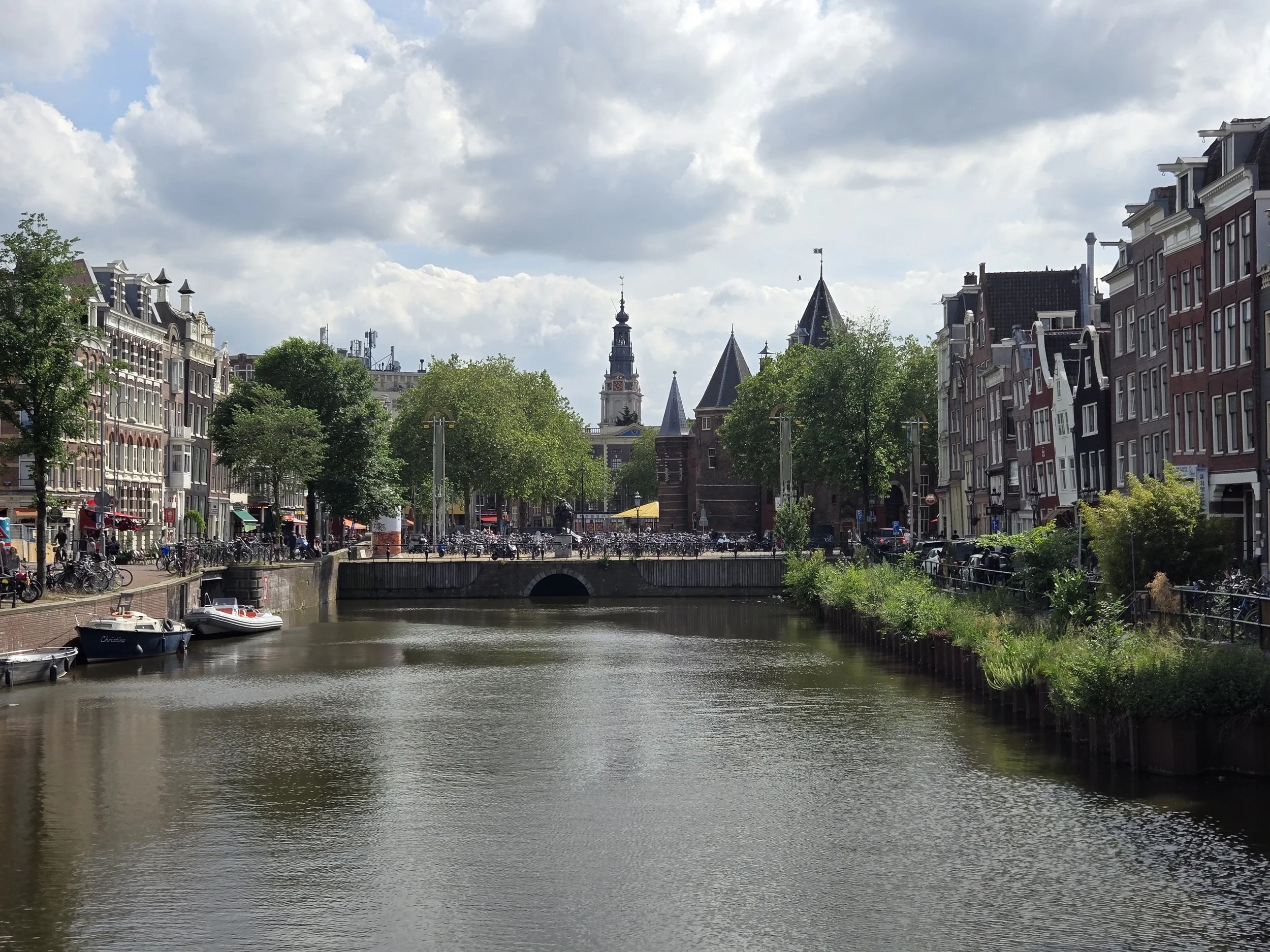
Its grand canal houses, busy squares and endless boats tell the story of a city that believed anything was possible.
This is where merchants built one of the world's greatest trading empires.
Where the world's first stock exchange changed finance forever.
Where ships left for every corner of the globe.
Walking through Amsterdam, you begin to understand how a small settlement on a dam became one of the richest cities in the world.
If you're interested in trade, entrepreneurship, global connections and the Dutch Golden Age, Amsterdam is the perfect place to start.
Leiden: Much More Than a University Town
Today, Leiden feels peaceful.
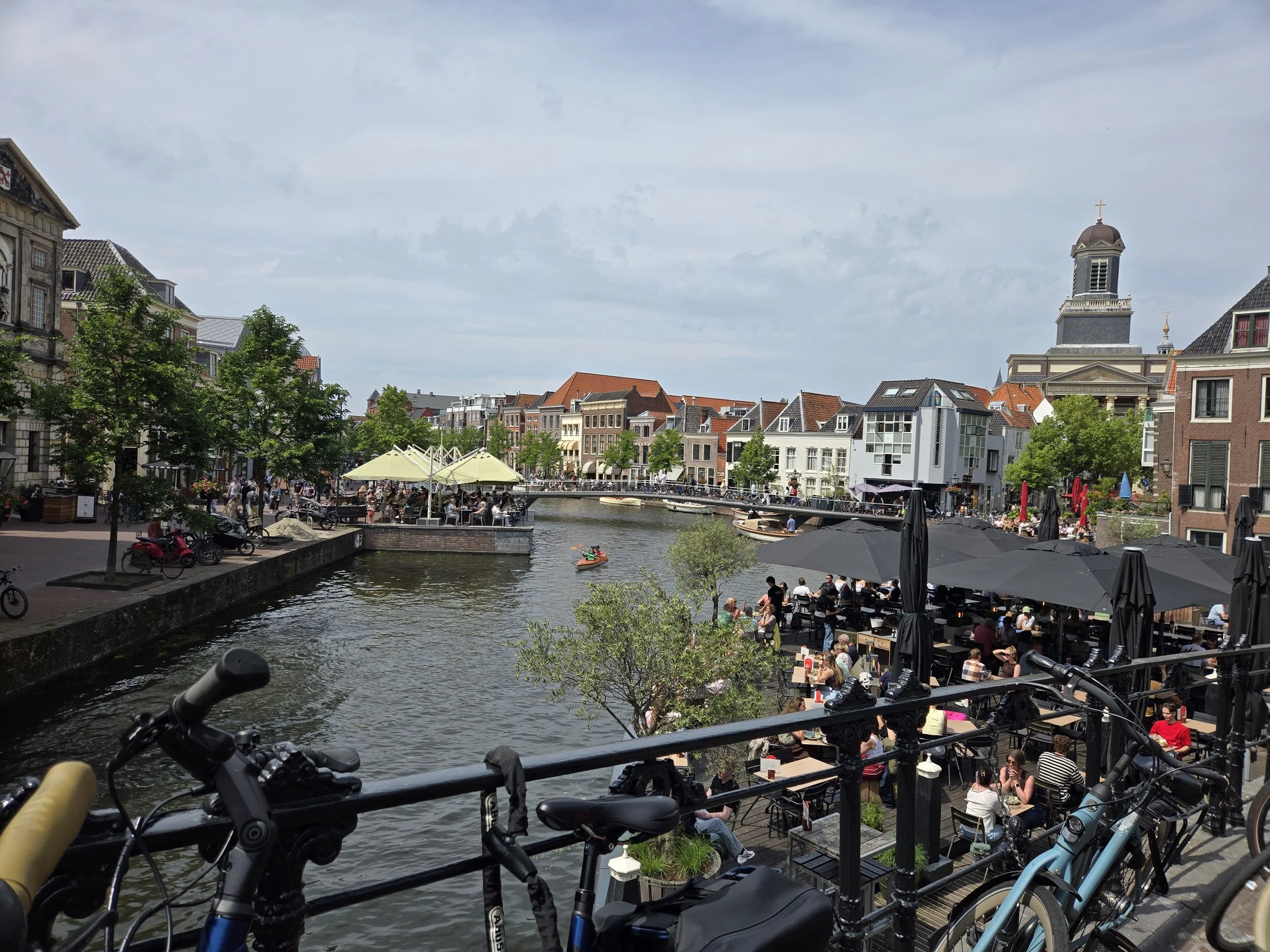
Students cycle along quiet canals.
Historic houses reflect in the water.
Hidden courtyards sit quietly behind ordinary doors.
It's easy to think of Leiden as simply a charming university town.
But that couldn't be further from the truth.
During the Dutch Golden Age, Leiden was one of the largest and wealthiest cities in the Dutch Republic.
Its prosperity didn't come from overseas trade like Amsterdam's.
Leiden built something different.
It built a reputation.
A reputation for knowledge, innovation and ideas.
The Intellectual Capital of the Dutch Republic
Leiden University, founded in 1575, was the first university in the Netherlands.
It quickly became one of Europe's leading centres of learning.
Students travelled here from across Europe to study medicine, law, philosophy and theology.
But the university was only part of the story.
Leiden became one of Europe's most important centres of printing and publishing.
Books that were banned elsewhere were often printed here.
Scientists exchanged discoveries.
Philosophers debated new ideas.
Religious refugees found a place where they could live and work with greater freedom than in many other parts of Europe.
This atmosphere of openness helped turn Leiden into one of the intellectual capitals of Europe.
Knowledge became one of the city's greatest exports.
The City That Shaped Rembrandt
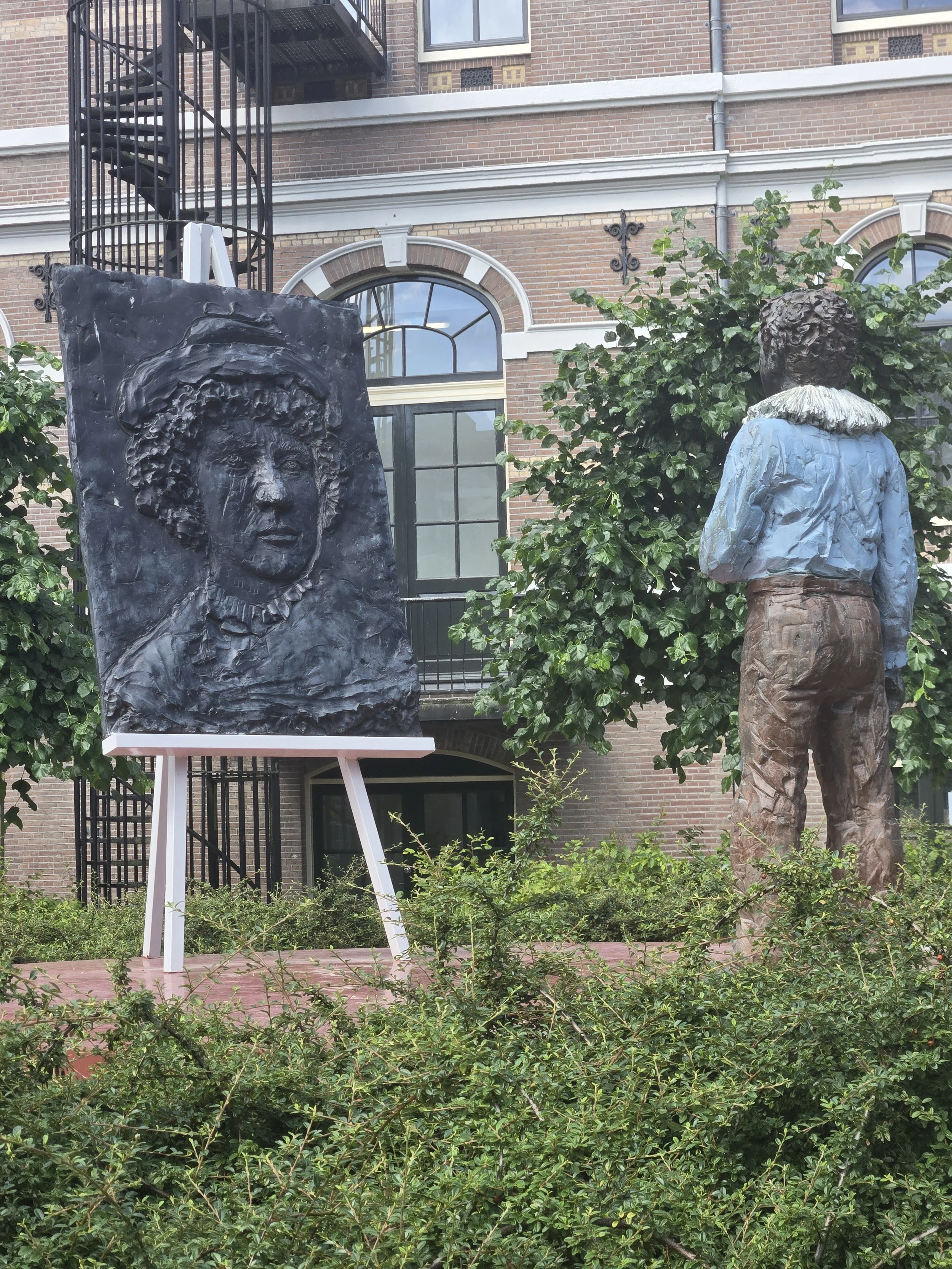
Leiden also gave the world one of its greatest artists.
Rembrandt was born here in 1606.
Before he became one of history's greatest painters, he was a young boy growing up among merchants, scholars, craftsmen and students.
He even attended Leiden University before deciding to become a painter.
Many historians believe that the city's intellectual atmosphere helped shape the curiosity and humanity that later became the hallmark of his work.
When you walk through Leiden today, you're walking through the streets that shaped young Rembrandt.
A City of Museums
For a relatively small city, Leiden has an extraordinary number of museums.
In fact, it has one of the highest concentrations of museums in the Netherlands.
You'll find museums dedicated to archaeology, natural history, science, medicine, ethnography and art.
That isn't a coincidence.
They reflect the city's centuries-old tradition of research, discovery and learning.
Even today, Leiden remains one of the country's leading academic and cultural centres.
Is Leiden Worth a Day Trip from Amsterdam?
Absolutely.
Leiden is only about 35 minutes from Amsterdam by direct train, making it one of the easiest day trips in the Netherlands.
Its historic centre is compact and easy to explore on foot.
Unlike Amsterdam, you rarely feel overwhelmed by crowds.
In one day you can stroll along peaceful canals, visit Pieterskerk, explore Leiden University, wander through hidden hofjes and relax beside the Rapenburg—one of the most beautiful canals in the country.
If you're spending several days in the Netherlands, Leiden offers something Amsterdam can't: space to slow down and notice the details.
Which City Should You Choose?
Honestly...
I don't think that's the right question.
Amsterdam and Leiden aren't competitors.
They complement each other.
Amsterdam tells the story of merchants, ships, global trade and ambition.
Leiden tells the story of universities, science, publishing, freedom of thought and discovery.
One city became the commercial capital of the Dutch Republic.
The other became one of its intellectual capitals.
Together, they explain how such a small country became one of the most influential societies in seventeenth-century Europe.
My Recommendation
If you only have one day in the Netherlands, visit Amsterdam.
If you have three days or more, don't stop there.
Visit Leiden too.
Not because it's quieter.
Not because it's less touristy.
But because it completes the story.
Understanding Amsterdam without Leiden is like reading only half a book.
That's exactly why I created my walking tours.
In Amsterdam, we explore how trade, migration and innovation transformed a small settlement into a global power.
In Leiden, we discover how war, knowledge and new ideas helped shape the Dutch Republic and the modern Netherlands.
Whether you join one walk or both, my goal is always the same:
To help you understand the Netherlands, not just visit it.